-
by Matthew Langford
- May 24, 2024
- 0 Comments
Did you know?
- There are live enzymes in honey.
- When in contact with a metal spoon, these enzymes die.
- The best way to eat honey is with wooden or plastic spoon.
- Honey contains a substance that helps your brain work better.
- Honey is one of the rare foods on earth that alone can sustain human life.
- One teaspoon of honey is enough to sustain human life for 24 hours.
- Propolis that bees produce, is one of the most powerful natural antibiotics.
- Honey has no expiration date.
- The bodies of the great emperors of the world were buried in golden coffins and then covered with honey to prevent putrefaction.
- The term "honeymoon" comes from the fact that newlyweds consumed honey for fertility after the wedding.
- A bee lives less than 40 days, visits at least 1000 flowers and produces less than a teaspoon of honey in its lifetime.
- One of the first coins had a bee symbol on it.
Deep gratitude to the humble BEE!
Bees, though small in size, play an enormously crucial role in maintaining the health of our planet. These industrious insects are key pollinators, essential for the reproduction of numerous plant species, including many that are vital for human agriculture. Their tireless work supports biodiversity, food security, and ecological balance, making them indispensable to life on Earth.
Pollination Powerhouses
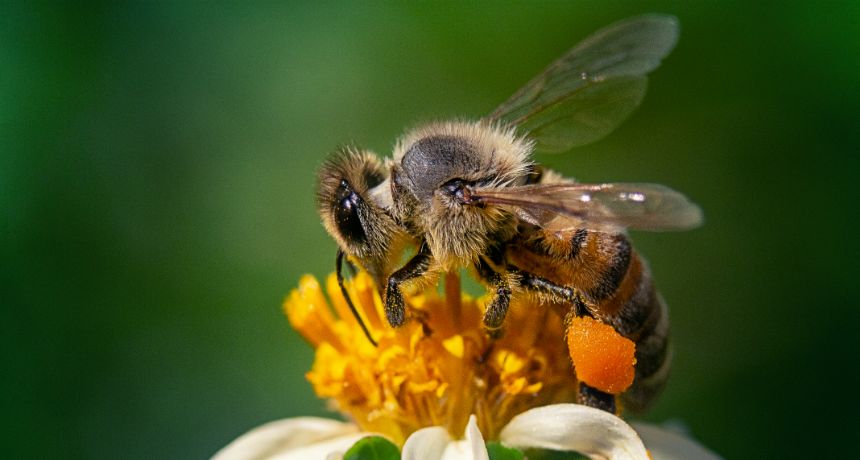
Bees are among the most important pollinators in the world. Through their activity, they facilitate the reproduction of flowering plants by transferring pollen from one flower to another. This process is essential for the production of fruits, seeds, and nuts. Approximately 75% of the world’s flowering plants rely on animal pollinators, including bees, to reproduce. Without bees, many plants would struggle to survive, leading to a decline in biodiversity.
Pollination also supports the entire food web. Plants that depend on bees for pollination provide food and habitat for other wildlife, including birds, mammals, and other insects. The loss of bee populations would therefore have a cascading effect on various species and the overall health of ecosystems.
Agricultural Productivity
Bees are vital for the pollination of many crops that humans rely on for food. Crops such as apples, almonds, blueberries, and cucumbers depend heavily on bee pollination. According to the Food and Agriculture Organization (FAO), out of the 100 crop species that provide 90% of the world’s food, 71 are pollinated by bees.
The economic value of bees in agriculture is staggering. In the Globally, bee pollination adds hundreds of billions of dollars annually to agricultural crops. The decline of bee populations poses a direct threat to food security and agricultural economies, highlighting the need for their conservation.
Biodiversity and Genetic Diversity
The genetic diversity of plants is also influenced by bee pollination. Bees help maintain the genetic diversity of plants by cross-pollinating them, which results in stronger, more resilient plant populations. This genetic diversity is crucial for the adaptability and resilience of plants in changing environmental conditions, such as climate change.
Diverse plant populations are better able to withstand diseases, pests, and extreme weather events. Consequently, the health and diversity of plant species directly affect the resilience of entire ecosystems, making bees indispensable to ecological balance.
Medicinal and Nutritional Benefits
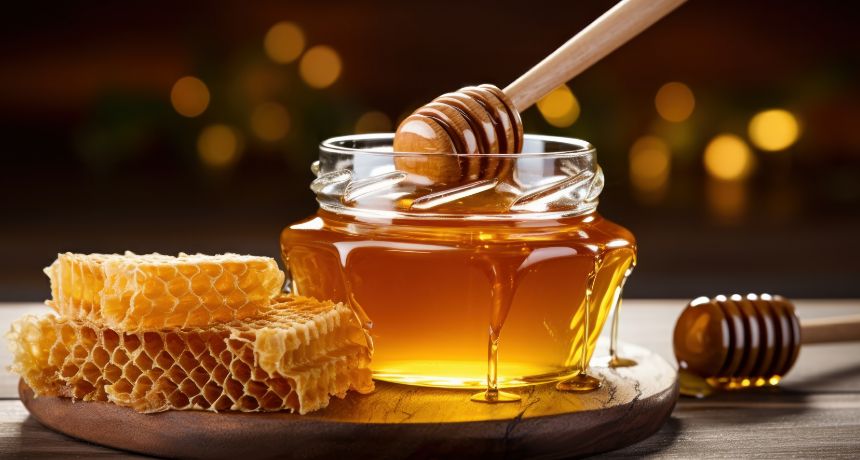
Honey, produced by bees, has been valued for its medicinal properties for centuries. It has natural antibacterial and anti-inflammatory properties, and is used in treating wounds, coughs, and sore throats. Bee products like propolis, royal jelly, and beeswax also have significant health benefits and are used in various natural remedies and skincare products.
Moreover, the nutritional benefits of crops pollinated by bees are substantial. These crops provide essential vitamins, minerals, and antioxidants, contributing to a healthy diet. Without bees, the availability of these nutritious foods would decrease, impacting human health and nutrition.
Cultural and Aesthetic Contributions
Bees also contribute to the cultural and aesthetic value of the environment. Flowering plants, which rely on bees for pollination, are integral to landscapes and gardens, providing beauty and inspiration. Many cultures celebrate bees and honey in their traditions, folklore, and cuisine, underscoring the deep connection between humans and these pollinators.
The importance of bees to our planet cannot be overstated. They are key players in maintaining biodiversity, supporting agriculture, enhancing food security, and providing economic and health benefits. The decline in bee populations due to factors such as habitat loss, pesticide use, climate change, and diseases is a pressing concern that requires immediate attention.
Conserving bees involves protecting their habitats, reducing pesticide usage, and promoting sustainable agricultural practices. Public awareness and engagement in bee conservation efforts are crucial for ensuring that these invaluable pollinators continue to thrive and support the health of our planet. Through collective efforts, we can safeguard the future of bees and, in turn, the future of life on our planet as we know it.